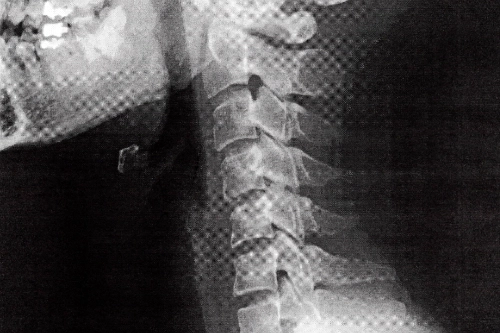
 If you’ve ever had a neck X-ray and heard the words “your neck is too straight,” you might have been a little confused. Isn’t straight good? When it comes to your cervical spine, not exactly. A healthy neck has a gentle forward curve, and when that curve flattens out or reverses, it’s often called military neck. The good news is that chiropractic care offers a conservative, drug-free way to address the neck pain, stiffness, and headaches that often come with it, and to work toward better spinal alignment over time.
In this article, we’ll walk through what military neck actually is, what causes it, the symptoms to watch for, and how a chiropractor can help you feel better without relying on medications, injections, or surgery.
What Is Military Neck?
Military neck is the everyday name for a loss of the normal cervical curve, also called cervical lordosis. Your neck is made up of seven vertebrae (C1 through C7). When viewed from the side, a healthy cervical spine forms a soft “C” shape that bows toward the front of your body. This curve isn’t an accident. It acts like a spring, absorbing shock, distributing the weight of your head evenly, and protecting the spinal cord and nerves that run through your neck.
When that curve straightens, the neck looks rigid and upright on an X-ray, almost like a soldier standing at attention. That’s where the name comes from. In more advanced cases, the curve can actually reverse and bend the wrong direction. This is known as cervical kyphosis.
Here’s why it matters. Your head weighs roughly 10 to 12 pounds. A properly curved neck balances that weight efficiently. A straightened neck shifts the load onto the front of the vertebrae and the discs between them, and it forces the muscles in the back of your neck and upper shoulders to work overtime just to hold your head up.
What Causes Military Neck?
Military neck rarely develops overnight. In most cases, it’s the result of stresses that build up over months or years. Common causes include:
- Forward head posture: Hours spent looking down at phones, laptops, and tablets pull the head forward and gradually flatten the natural curve. This is closely tied to what many people know as tech neck.
- Whiplash and trauma: Car accidents, sports collisions, and falls can injure the ligaments and muscles that support the neck. Muscle spasm after an injury can pull the spine straight, and ligament damage can make the change last.
- Disc degeneration: As discs lose height and hydration with age, the normal shape of the cervical spine can change, leading to flattening or reversal of the curve.
- Poor workstation setup: A monitor that’s too low, a chair without support, or long hours hunched over a desk all add up.
- Sleeping habits: Pillows that are too thick or too flat can hold the neck in a stressed position for hours every night.
- Muscle imbalances: Weak deep neck flexors combined with tight chest and upper trapezius muscles can pull the head and neck out of alignment.
- Congenital factors or prior surgery: Some people are born with spinal differences, and certain neck surgeries can change the alignment of the cervical spine.
Common Symptoms of Military Neck
Some people with a straightened cervical curve have no symptoms at all, at least at first. Others notice a range of problems that tend to get worse with prolonged sitting or screen time. Symptoms of military neck can include:
- Persistent neck pain and stiffness
- Reduced range of motion, especially when tilting the head back or turning side to side
- Tension or tightness across the upper back and shoulders
- Headaches that start at the base of the skull and wrap toward the forehead
- Muscle spasms in the neck
- Fatigue in the neck muscles by the end of the day
- Numbness, tingling, or weakness in the arms or hands if nerves become irritated
- Dizziness or a feeling of imbalance in some cases
A quick word of caution. If you experience trouble walking, loss of coordination in your hands, problems with bladder or bowel control, or rapidly worsening weakness, seek medical attention right away. These can be signs of spinal cord compression and need prompt evaluation.
How Is Military Neck Diagnosed?
Military neck is usually identified with a lateral (side view) X-ray of the cervical spine. A chiropractor will review your health history, ask about past injuries, and perform a hands-on exam that checks your posture, range of motion, muscle tone, reflexes, and nerve function. X-rays allow your chiropractor to measure the angle of your cervical curve and compare it to normal ranges, which helps guide treatment and track your progress over time.
How Chiropractic Care Helps Military Neck
Chiropractic care focuses on improving how your spine moves and functions, reducing pain, and addressing the habits that contributed to the problem in the first place. Every treatment plan is tailored to the patient, but care for military neck often includes a combination of the following.
Chiropractic Adjustments
Gentle, specific adjustments help restore normal motion to cervical and upper thoracic joints that have become stiff or restricted. When the joints move better, pain and muscle guarding often decrease. For patients who prefer a lighter touch, many chiropractors use instrument-assisted or low-force techniques that are just as targeted without the quick twisting motion some people worry about.
Cervical Extension Traction
Some chiropractors use specialized traction designed to gently encourage the neck back toward its natural curve. Rather than simply pulling the neck straight, this type of traction places the cervical spine in a supported extended position for short, gradually increasing periods. Several studies have reported improvements in cervical curve measurements and neck pain with this approach, especially when it’s combined with adjustments and exercise.
Soft Tissue Therapy
Tight muscles in the back of the neck, upper shoulders, and chest can lock poor posture in place. Techniques like trigger point therapy, myofascial release, and instrument-assisted soft tissue work help relax those muscles and make it easier for your spine to move into a healthier position.
Corrective Exercises
Exercises are a big part of long-term results. Your chiropractor may teach you chin tucks to strengthen the deep neck flexors, shoulder blade retraction exercises to improve upper back posture, and gentle stretches for the chest and upper trapezius. These are simple movements you can do at home in just a few minutes a day.
Posture and Ergonomic Coaching
Small changes make a real difference. Raising your monitor to eye level, holding your phone higher instead of looking down at it, taking movement breaks every 30 to 45 minutes, and setting up your chair to support your lower back all reduce strain on your neck. Your chiropractor can also recommend a cervical pillow or a rolled towel to support your neck’s natural curve while you sleep.
Chiropractic Care vs. Medications, Injections, and Surgery
Traditional treatment for neck pain often starts with pain relievers or muscle relaxers. These can take the edge off temporarily, but they don’t change how your spine is aligned or how it moves. Once the medication wears off, the underlying stress on your neck is still there.
Steroid injections are sometimes used when nerve irritation causes arm pain or numbness. They may reduce inflammation for a period of time, but they carry potential side effects with repeated use and don’t address posture, joint motion, or muscle imbalances.
Surgery is generally reserved for severe cervical kyphosis, particularly when it’s causing spinal cord compression or progressive neurological problems. These procedures can involve fusing several vertebrae together, which permanently limits motion and comes with a longer recovery. For the vast majority of people with military neck, surgery is not necessary.
Chiropractic care fits in as a conservative first step. It targets the mechanical causes of the problem, it doesn’t involve drugs or downtime, and it gives you tools to protect your neck long after your visits wind down. If your chiropractor finds signs that require further testing or a specialist, they’ll refer you appropriately.
What to Expect During Recovery
Many patients notice less neck pain and stiffness within the first few weeks of care. Headaches often become less frequent, and turning your head usually gets easier fairly quickly.
Changing the actual shape of the cervical curve is a slower process. Spinal ligaments and muscles adapt gradually, so structural improvement is typically measured over several months rather than days. Your chiropractor may take follow-up X-rays to track your progress.
How quickly you improve depends on a few things, including how long the problem has been present, whether there was a past injury, the health of your discs, and how consistently you follow through with home exercises and posture changes. Patients who stay active in their own care tend to see the best and longest-lasting results.
Take the First Step Toward a Healthier Neck
Living with constant neck pain, tension headaches, and stiffness isn’t something you have to accept as normal. Military neck is a common problem, and it often responds well to a conservative approach that restores motion, relieves pain, and helps your spine work the way it was designed to.
If you’ve been told your neck is “too straight” or you’re dealing with symptoms that sound familiar, give our office a call today. We’ll take the time to understand what’s going on, show you what your spine looks like, and build a plan to help you move comfortably and feel like yourself again.
Frequently Asked Questions About Military Neck
Is military neck a serious condition?
Military neck is common and usually not dangerous on its own, but it can contribute to chronic neck pain, headaches, and faster wear on the cervical discs over time. In rare, severe cases where the curve reverses significantly, it can put pressure on the spinal cord, so getting it evaluated is a good idea.
Can a chiropractor fix military neck?
A chiropractor can help relieve the pain and stiffness associated with military neck and may help improve the cervical curve using adjustments, extension traction, soft tissue therapy, and corrective exercises. Results vary from person to person, and structural changes take consistent care over several months.
How long does it take to correct a straight neck?
Many people feel less pain within a few weeks of starting chiropractic care. Measurable improvement in the curve itself usually takes several months and depends on age, disc health, past injuries, and how consistently home exercises and posture habits are maintained.
What is the difference between military neck and tech neck?
Tech neck describes the forward head posture and strain that come from looking down at devices. Military neck describes a loss of the natural curve in the cervical spine, usually seen on X-ray. Tech neck is one of the most common contributors to military neck over time.
What exercises help military neck?
Chin tucks, shoulder blade squeezes, gentle neck extension movements, and chest stretches are commonly recommended for military neck. These exercises strengthen the muscles that support good posture and stretch the ones that pull the head forward. A chiropractor can show you correct form and the right exercises for your situation.
What is the best sleeping position for military neck?
Sleeping on your back with a supportive cervical pillow or a small rolled towel under your neck helps support the natural curve. Side sleeping is fine if your pillow keeps your head level with your spine. Stomach sleeping is generally discouraged because it twists the neck for long periods.
Can military neck cause headaches and dizziness?
Yes. A straightened cervical curve can increase tension in the muscles and joints at the base of the skull, which often leads to headaches that start in the neck. Some people also experience dizziness or a sense of imbalance. A chiropractic evaluation can help determine whether your neck is contributing to these symptoms.